Discover how modern operator training software transforms industrial workforce development, reduces training time from months to weeks, and drives measurable improvements in safety, efficiency, and operational performance.
Accelerating Knowledge Transfer and Reducing Onboarding Time
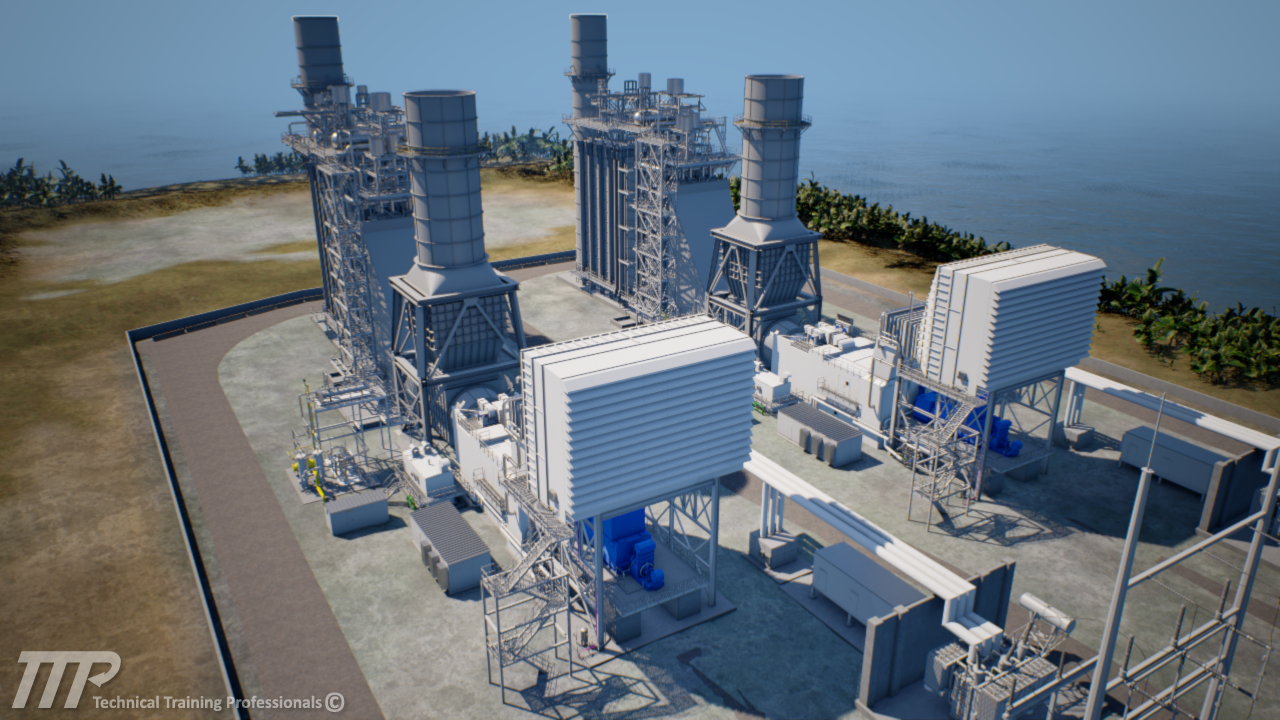
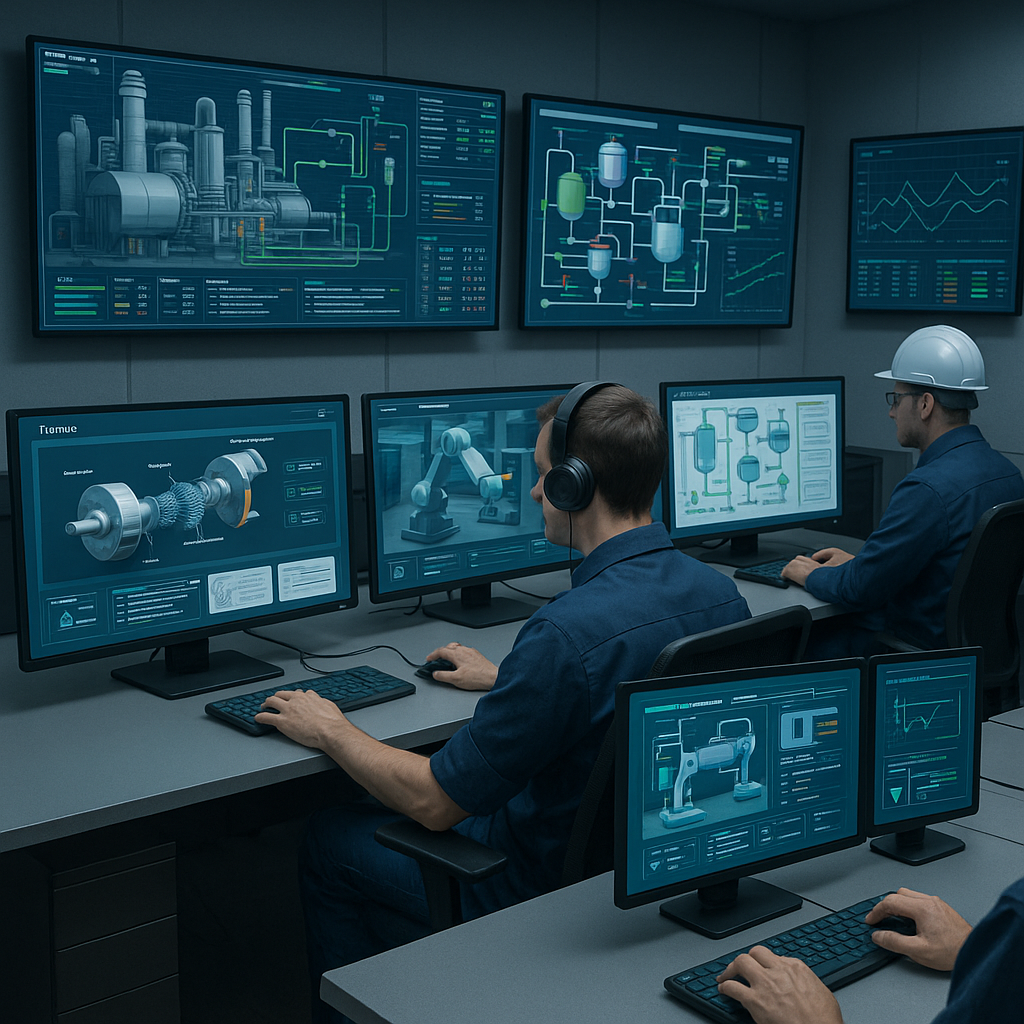
Traditional industrial training methods often require six months or more to bring new operators up to speed on complex power generation equipment and processes. This extended timeline creates operational bottlenecks, delays productivity gains, and increases the cost per hire significantly. Modern operator training software leverages state-of-the-art 3D animations and interactive learning modules to compress this timeline dramatically—reducing onboarding from months to just weeks in many cases.
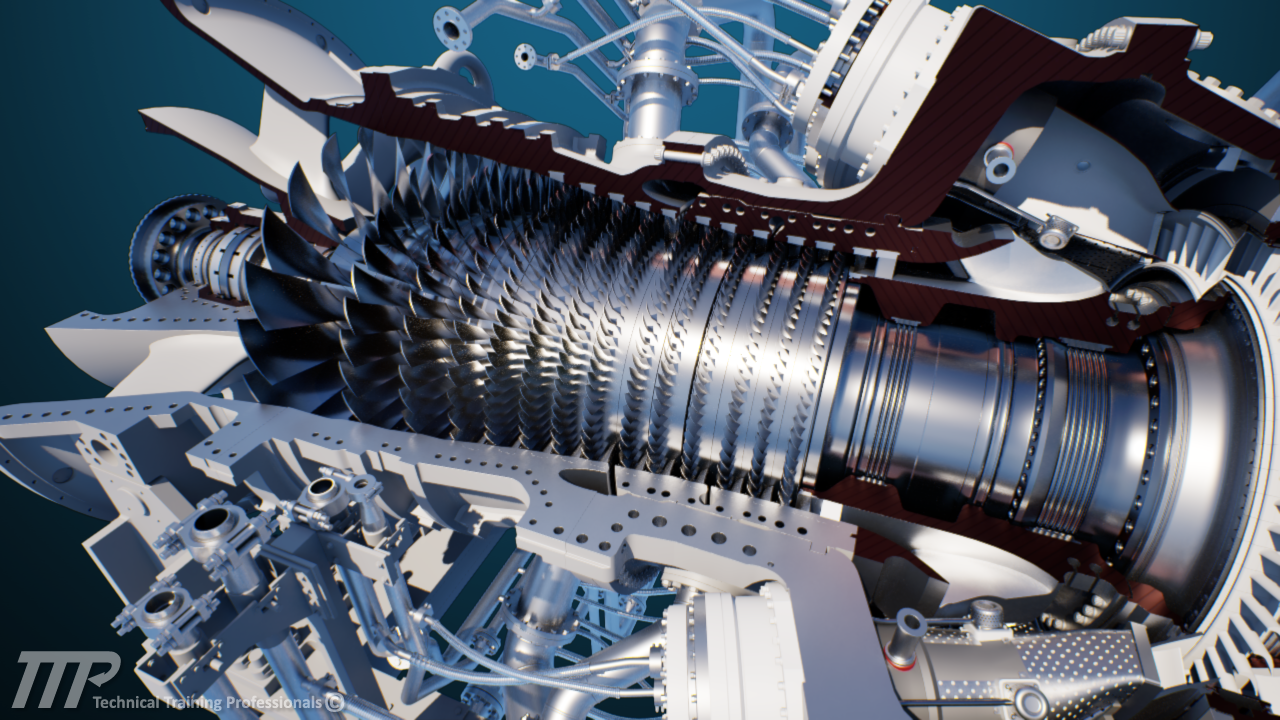
The key to this acceleration lies in visual learning technologies that allow operators to interact with accurate, three-dimensional representations of equipment they'll encounter on the job. Rather than relying solely on classroom lectures and static manuals, trainees can explore turbine components, trace electrical systems, and understand operational sequences through immersive digital environments. This approach enables faster comprehension of complex systems and accelerates the transition from theoretical knowledge to practical application.
For plant managers and operations superintendents facing tight staffing constraints, this shortened knowledge transfer timeline translates directly to improved workforce availability and operational flexibility. New hires become productive contributors faster, experienced operators can cross-train on additional systems more efficiently, and organizations can respond more quickly to equipment upgrades or technology transitions. The scalability of digital training solutions also means that multiple operators can be trained simultaneously without overwhelming limited subject matter experts or disrupting ongoing operations.
Enhancing Safety and Regulatory Compliance Through Immersive Learning
Workplace safety remains a top priority for facility managers across power generation, manufacturing, and renewable energy sectors. Operator training software addresses safety challenges by providing risk-free environments where workers can learn proper procedures, identify hazards, and practice emergency responses without exposure to actual danger. Three-dimensional animated scenarios can simulate high-risk situations—such as equipment malfunctions, electrical hazards, or emergency shutdown procedures—allowing operators to develop critical decision-making skills before encountering these situations in the field.
Regulatory compliance requirements in energy and industrial sectors demand thorough documentation of training activities, standardized curricula, and verifiable competency assessments. Modern training platforms integrate learning management systems that automatically track completion rates, assessment scores, and certification status for each operator. This digital record-keeping simplifies audit preparation, ensures consistent training delivery across multiple sites, and provides clear evidence of compliance with industry standards and regulatory mandates.
The visual nature of 3D animated training also improves comprehension of safety protocols and equipment-specific hazards. Operators can see exactly how protective systems function, understand the consequences of bypassing safety interlocks, and visualize the proper sequence for lockout/tagout procedures. This enhanced understanding leads to better retention of safety information and more consistent application of safe work practices, ultimately reducing incident rates and supporting a stronger safety culture throughout the organization.
Bridging the Skills Gap with Scalable Digital Training Solutions
The industrial workforce faces a significant skills gap driven by retiring experienced operators, rapid technological advancement, and the expansion of renewable energy systems. Many organizations struggle to transfer decades of operational knowledge from veteran workers to new hires before that expertise walks out the door. Operator training software addresses this challenge by capturing subject matter expertise—developed over 25+ years of industry experience—and delivering it through standardized, repeatable digital courses that preserve institutional knowledge regardless of personnel changes.
Scalability represents a critical advantage for organizations managing multiple facilities or expanding operations. Digital training solutions can be deployed across geographically dispersed sites, ensuring consistent training quality whether operators work at a wind farm in Texas, a solar facility in California, or a combined-cycle plant in the Northeast. Cloud-based and on-premises deployment options provide flexibility to meet data sovereignty requirements while maintaining centralized curriculum management and progress tracking across the entire organization.
As the energy sector transitions toward renewable technologies and hybrid power systems, operators must develop new competencies in battery energy storage systems, solar inverters, and wind turbine operations. Modular training packages allow organizations to upskill and reskill their existing workforce efficiently, adding specialized courses as needed rather than replacing entire training programs. This targeted approach to skills development enables maintenance managers and operations superintendents to build workforce capabilities that align precisely with their equipment mix and operational requirements, whether focusing on conventional power plants, renewables, or integrated energy systems.
Improving Retention and Operational Efficiency with Visual Learning
Research consistently demonstrates that visual learning significantly improves information retention compared to text-based or lecture-only training methods. When operators can see three-dimensional representations of equipment internals, watch animated sequences of operational processes, and interact with virtual systems, they develop stronger mental models that persist long after initial training. This enhanced retention translates directly to improved operational performance, as operators can recall proper procedures, troubleshoot issues more effectively, and make better decisions during abnormal conditions.
The connection between training effectiveness and operational efficiency becomes evident in key performance metrics. Operators who thoroughly understand their equipment through immersive visual training can identify developing problems earlier, perform maintenance activities more accurately, and optimize system performance more effectively. For plant managers focused on increasing equivalent availability factor (EAF) and reducing forced outages, well-trained operators represent a critical asset. Better-trained workforces execute startups and shutdowns more smoothly, respond to alarms more appropriately, and maintain equipment within optimal operating parameters—all contributing to higher availability and lower maintenance costs.
Visual training also supports employee retention by providing engaging, professional development opportunities that demonstrate organizational investment in workforce growth. Operators appreciate training that respects their time and intelligence, presenting complex technical information in accessible formats rather than overwhelming them with dense manuals or inconsistent on-the-job instruction. Organizations that implement comprehensive training programs often see improvements in employee satisfaction and reduced turnover, particularly among newer workers who value clear pathways for skill development and career advancement within the industrial sector.
Maximizing Training ROI with Flexible Deployment and Customization
Training represents a significant investment for any industrial organization, and maximizing return on that investment requires careful consideration of deployment options, customization capabilities, and long-term scalability. Modern operator training software offers flexible delivery models—including eLearning, instructor-led training, blended approaches, and remote options—that allow organizations to match training methods to specific situations and learner needs. This flexibility ensures that training budgets stretch further while still delivering effective learning outcomes across diverse operational contexts.
Customization capabilities enable organizations to move beyond generic off-the-shelf content toward site-specific training materials that reflect actual equipment configurations, local procedures, and facility-specific operational considerations. While comprehensive course catalogs covering wind turbines, solar systems, battery energy storage, and conventional power plant equipment provide valuable foundational content, the ability to customize these materials with site-specific details dramatically increases relevance and practical application. Plant managers can ensure that operators train on the exact systems they'll operate, using the specific procedures and terminology employed at their facility.
Per-user annual subscription pricing models provide cost predictability and eliminate large upfront capital expenditures, making advanced training technologies accessible to organizations of any size. This subscription approach also ensures continuous access to content updates as equipment evolves and industry best practices develop. For maintenance managers and operations superintendents managing tight budgets, the combination of reduced training time, improved operational efficiency, lower incident rates, and decreased turnover creates a compelling financial case. When training time drops from six months to six weeks, the labor cost savings alone often justify the technology investment, while the operational improvements—higher availability, fewer forced outages, better safety performance—deliver ongoing value that compounds over time.